Low
-
Build capacity to develop and implement national digital health roadmaps and interoperable health data platforms guided by maturity assessments of information systems for health, ensuring robust governance, data integration, privacy, and security, including necessary laws and multisectoral policies, to help bridge the digital divide, strengthen evidence-informed decision-making, and improve health outcomes.
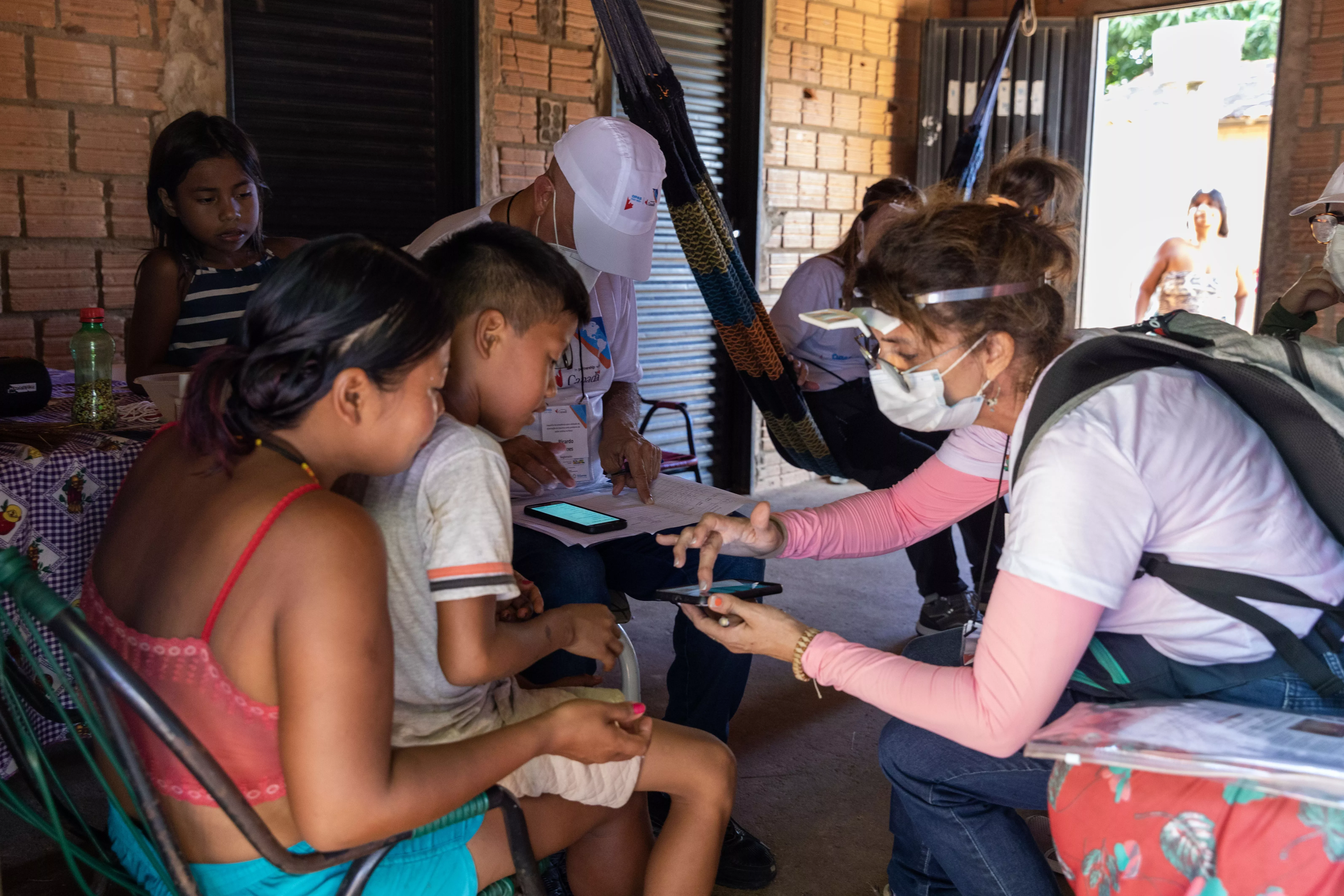
Leverage digital health innovations to empower individuals, communities, and health workers with enhanced decision-making capabilities in health-related contexts.
Adopt strategies for the application of data science in public health using artificial intelligence and other emerging technologies, and develop predictive analytics tools, incorporating geospatial solutions, to implement health disparity monitoring and analysis.
Enhance public health intelligence by building capacity to collect, analyze, disseminate, and use disaggregated data to monitor progress toward national and regional health goals, including the strengthening of the regional Health in the Americas and Core Indicators initiatives.
Strengthen country capacities for the systematic and transparent uptake of evidence to inform policy- and decision-making by establishing dedicated knowledge translation platforms and implementing standardized evidence mechanisms derived from regional and global science, local data, and specific contextual knowledge.
Enhance governance and stewardship of research, science, and innovation for health, including priority setting and financial investments in health research, and strengthen health research systems to drive innovation by integrating human genomics, improving the quality and coordination of clinical trials, and advancing horizon scanning, artificial intelligence, and bioinformatics.
Assess research ethics systems, provide technical assistance for the development of a framework to ensure that research meets ethical standards, establish effective mechanisms for ethics oversight, and strengthen capacities for ethics analysis and ethical decision-making in public health.
Enhance the availability and use of multilingual scientific and technical literature to ensure access to information and knowledge for all and leverage PAHO/WHO Collaborating Centers at regional and global levels to support the strengthening of resources in information, services, research, and capacity-building.