With technical support from PAHO, Costa Rica made substantial progress in developing its national agenda toward 2030 for the elimination of communicable diseases and related conditions, within the framework of the PAHO Disease Elimination regional initiative. During the biennium, the country consolidated a national road map aligned with the National Health Policy 2023–2033, enabling the prioritization of diseases based on their epidemiological status, the definition of integrated strategic actions, and the strengthening of governance and surveillance.
PAHO facilitated participatory processes that engaged more than 70 stakeholders from the health sector, academia, the private sector, and other institutions, promoting sustained territorial and intersectoral coordination to align priorities, organize interventions, and standardize the national response toward elimination targets by 2030.
In this context, malaria emerged as a flagship achievement of the elimination agenda. In 2025, a historic reduction in transmission was recorded, with a sustained downward trend over the past three years. That year, 15 autochthonous cases and 8 introduced cases were reported, representing a 95% reduction compared with 2023 and a 90% reduction compared with 2024. These results reflect the concurrent implementation of operational and community-based measures with technical cooperation from PAHO, including strengthened diagnosis through rapid diagnostic tests, mass drug administration, consolidation of a network of voluntary collaborators, and targeted campaigns among key populations.
At the same time, progress was made in enabling technical tools necessary to sustain elimination, such as the updated malaria surveillance protocol, guidelines for case investigation, and the phased implementation of the tafenoquine plus glucose-6-phosphate dehydrogenase (G6PD) testing regimen for the radical cure of Plasmodium vivax. In addition, the approval of PAHO’s EUR 230 000 project submitted to Spanish Agency for International Development Cooperation (AECID) is noteworthy. This initiative aims to strengthen community networks for the timely detection, diagnosis, and treatment of malaria in Costa Rica.
Taken together, these advances strengthen the country’s institutional capacity to accelerate the elimination of communicable diseases, protect the gains achieved, and generate sustainable public health impacts, thereby helping to close gaps and meet national and regional commitments toward 2030.
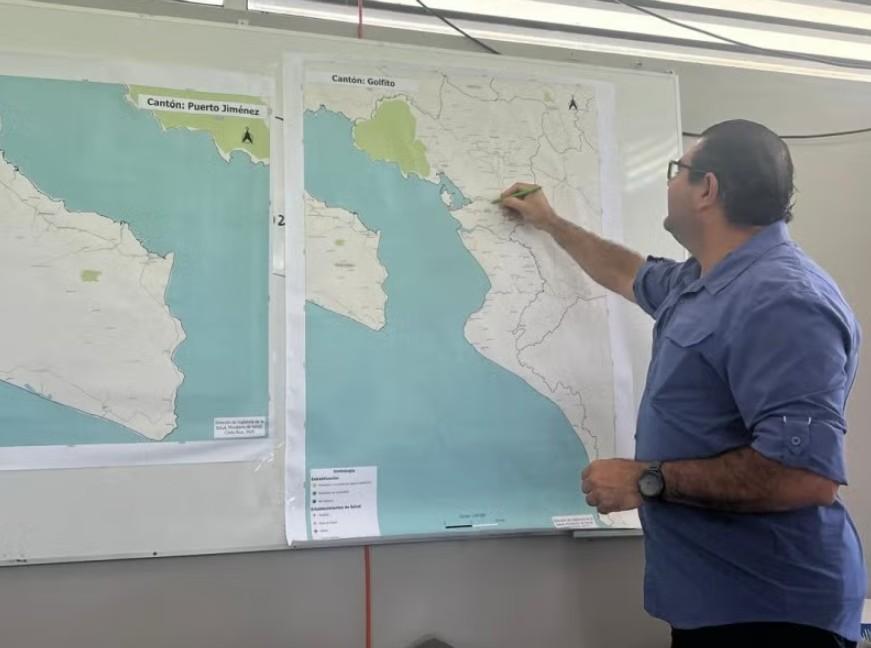
Photo caption: Malaria Day in the Americas workshop in the Brunca region, November 2025
Advances made toward the elimination of malaria and other communicable diseases