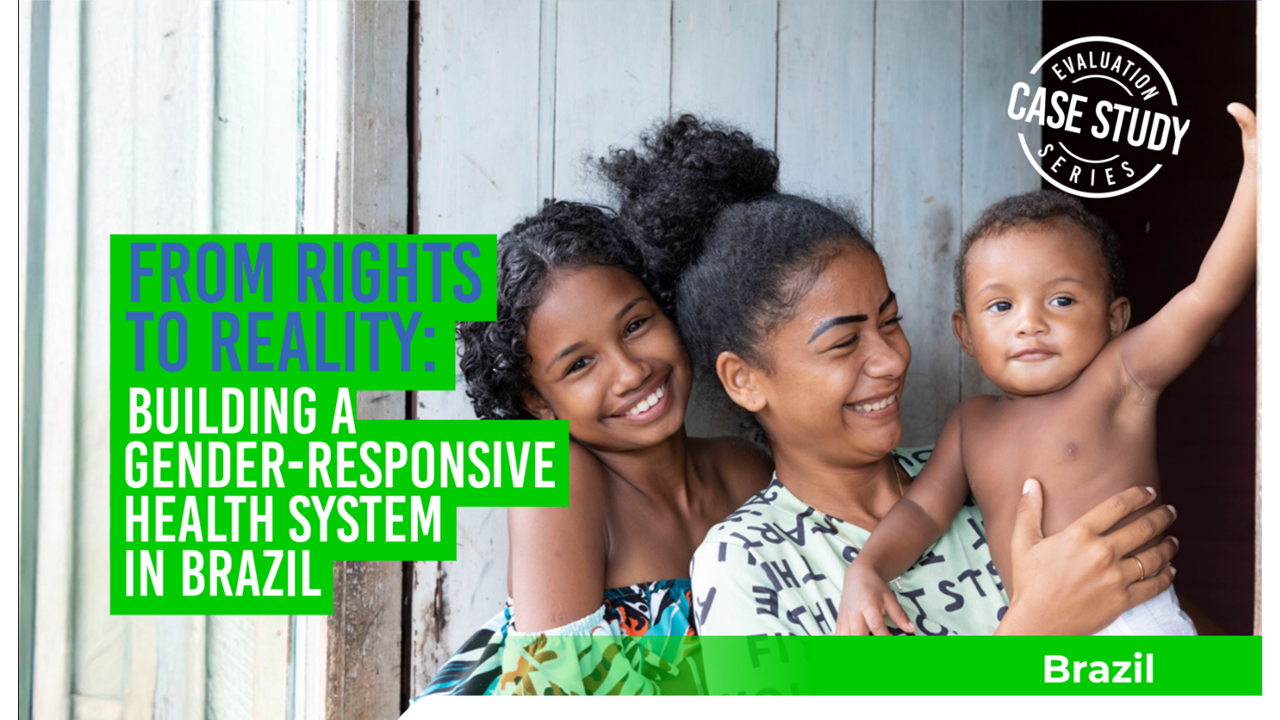
Brazil’s experience proves that gender equality in health is achievable with clear policies, strong data, and targeted investment. Through the Sistema Único de Saúde and initiatives such as the National Policy for Integral Attention to Women’s Health Care (PNAISM), the country expanded primary care and integrated gender-sensitive indicators. It mobilized billions of dollars to strengthen equity. Yet, gaps persist—especially for Afro-Brazilian, Indigenous, and LGBTIQ+ populations. This case study highlights concrete strategies and measurable outcomes, offering lessons for building health systems that deliver on the promise of rights for all.
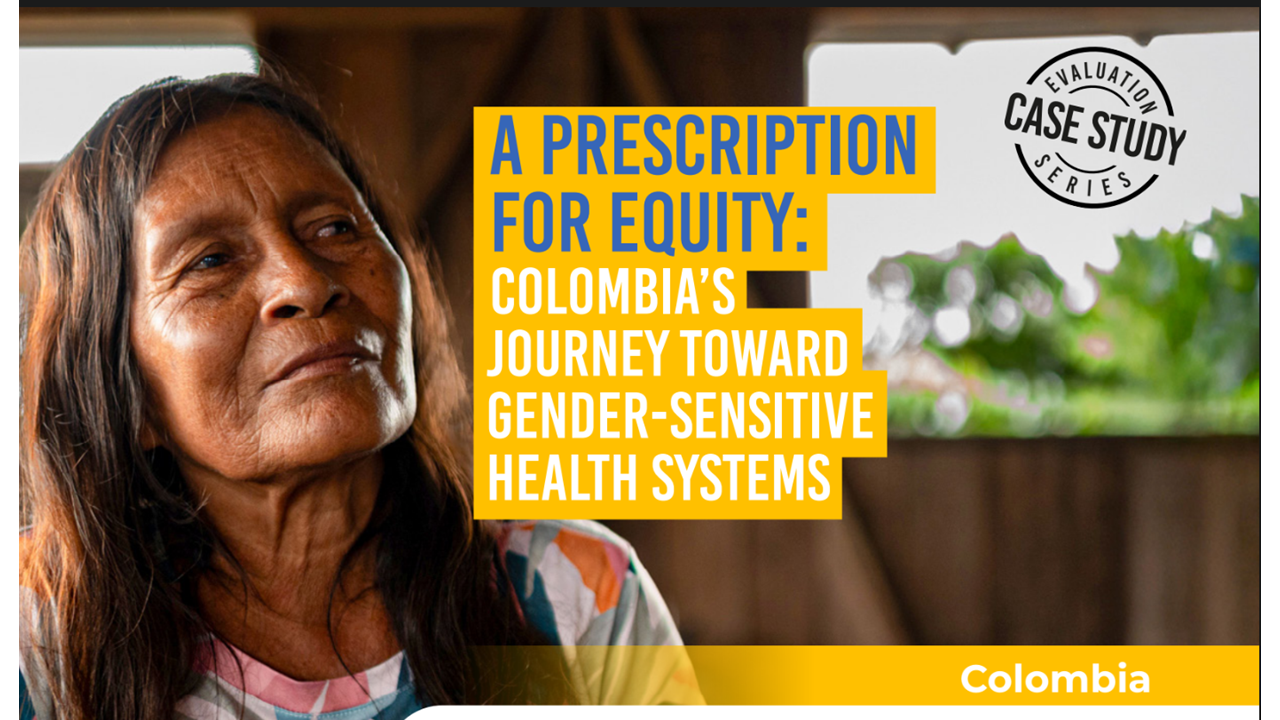
Colombia demonstrates that health equity is not an ideal, but a measurable achievement. With pioneering policies, historic investment, and intercultural models, the country reduced maternal mortality by 11%, expanded professional care coverage for births to 97.9%, and tripled the budget for gender equality. This case study reveals how the combination of data, financing, and community participation can transform health systems and close gaps for women, indigenous, Afro-descendants, and LGBTIQ+ populations. It is a path that inspires the conversion of commitments into results.
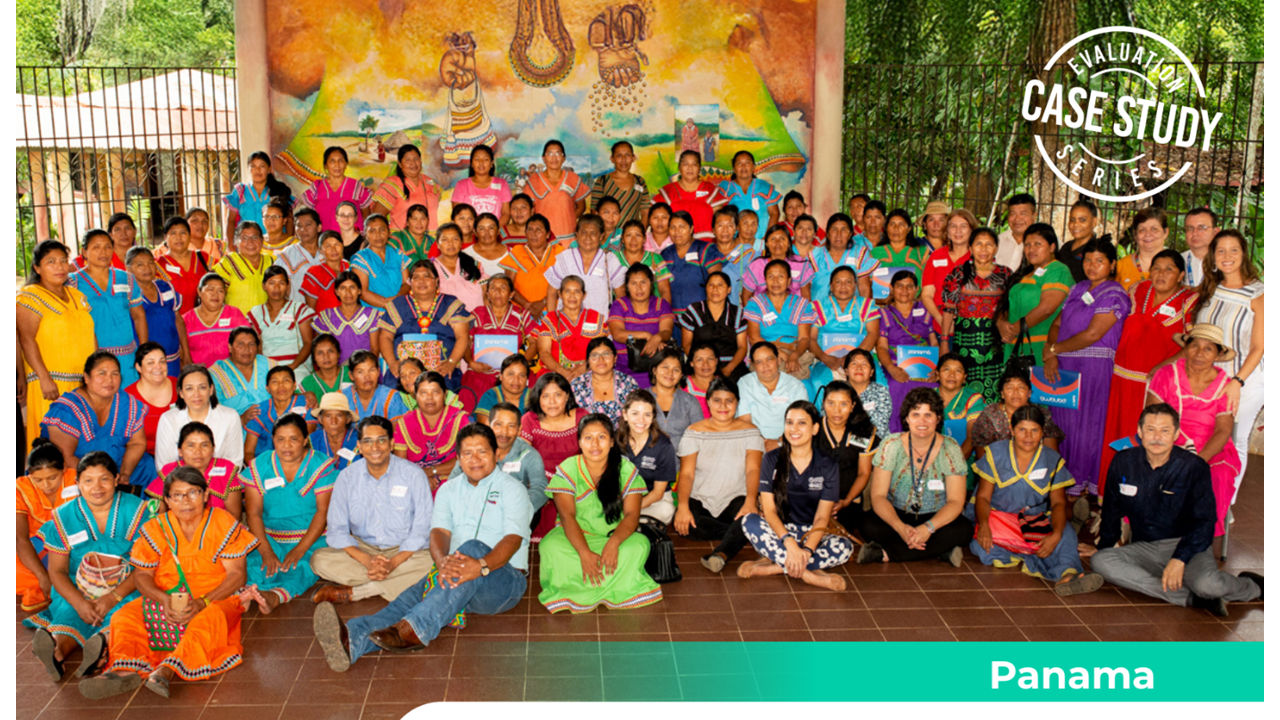
Health equity can be achieved through action and data. With innovative policies, sustained investment, and intercultural models, Panama has created 101 adolescent-friendly centers, reduced maternal and perinatal mortality, and increased investment in gender and health programs by 45%. This case study shows how integrating gender, culture, and rights into planning transforms lives and systems, offering key lessons for closing gaps in indigenous, Afro-descendant, and migrant populations. It is an example of how to turn commitments into tangible results.
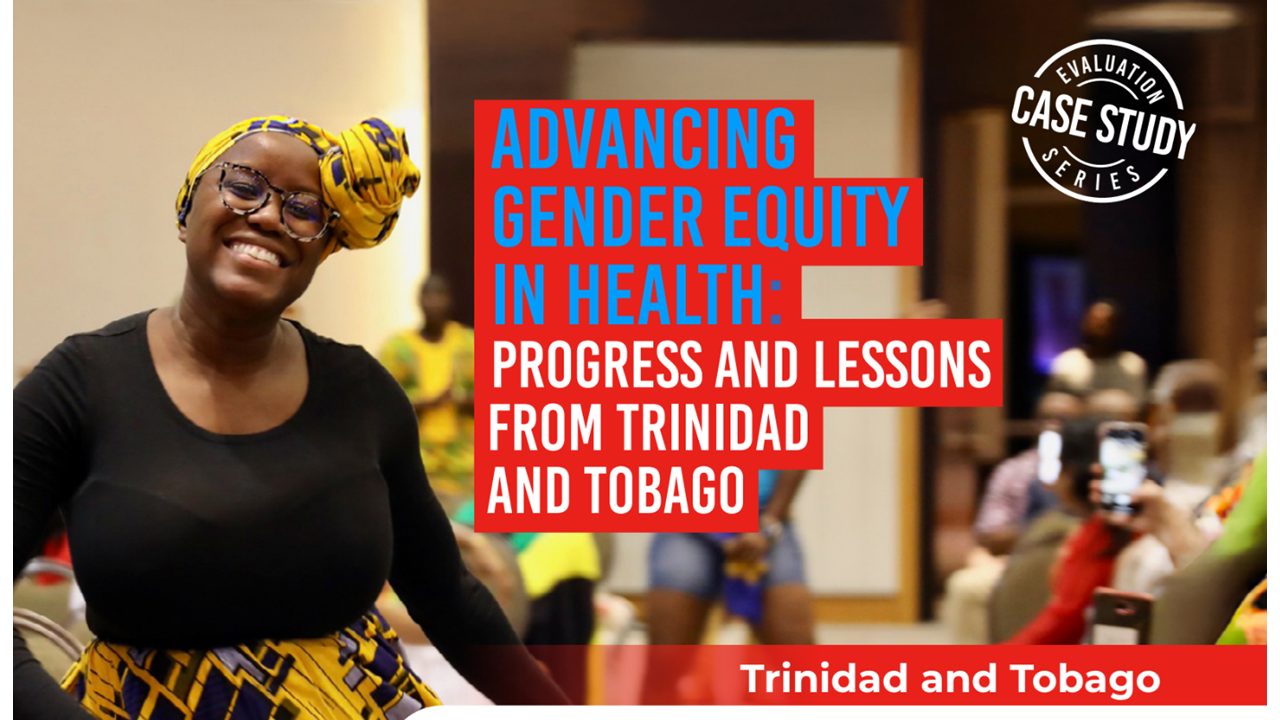
Trinidad and Tobago is proof that integrating gender equity into health care yields tangible results: maternal mortality fell by 67% in seven years, protocols for gender-based violence were created, and inclusive services for adolescents and LGBTIQ+ people were expanded. With more than 100 clinical guidelines, innovative campaigns, and gender-disaggregated data, the country is moving toward a more equitable and resilient system. This case study reveals how policies, investment, and strategic partnerships can transform care and close historical gaps.