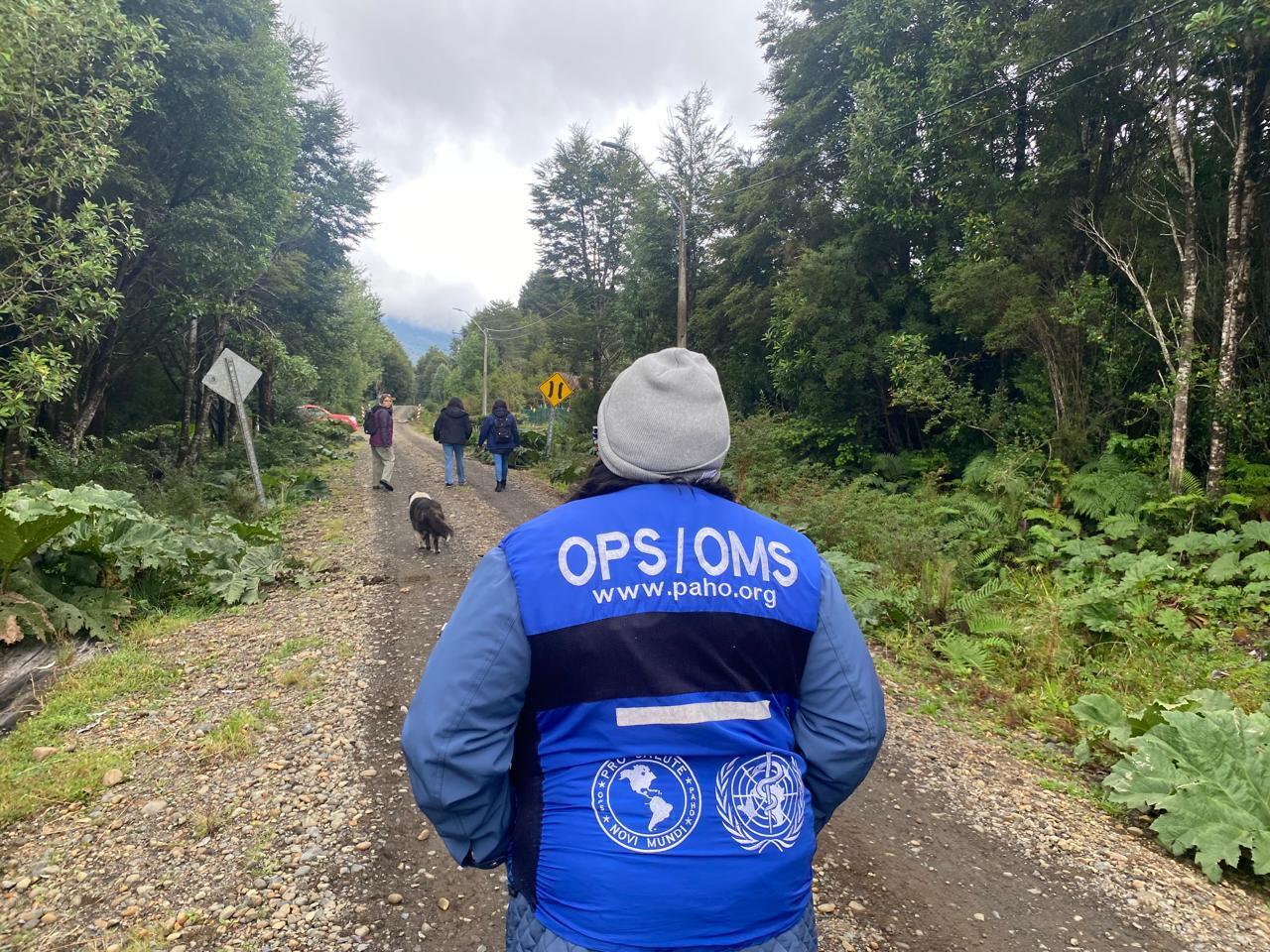
During the 2024–2025 biennium, PAHO supported the consolidation of a strategic and intersectoral political agenda in Chile to address the environmental determinants of health. Through technical cooperation, PAHO facilitated collaboration among the Ministry of Health, the Agricultural and Livestock Service of Chile, regional governments, and municipalities to address the impact of environmental challenges including climate change, air pollution, heatwaves, and challenges related to rural water and sanitation.
A significant result was the incorporation of technical tools to support evidence‑based decision‑making at the territorial level. In the Metropolitan region of Santiago, with an estimated beneficiary population of 7.4 million people, actions were implemented to monitor the health impacts of air pollution through the use of the AirQ+ tool. In addition, in the Biobío region, progress was made in the surveillance of the health impacts of heatwaves, strengthening the system’s capacity to respond to environmental risks.
PAHO also supported the implementation of social determinants and healthy cities initiatives in prioritized municipalities and regions, as well as the reactivation of the Chilean Network of Healthy Municipalities.
A key milestone was the launch of the first Santiago Declaration in October 2025 (later complemented by a second declaration in March 2026), with the participation of national and international stakeholders and PAHO, which formalized commitments to improve air quality and protect population health. This process strengthened intersectoral collaboration and the use of shared technical tools for decision‑making at the local, regional, and national levels.
Photo caption: Intersectoral approaches to address the environmental determinants
Credit: PAHO Chile