During the biennium, Complementary Law 68/24, regulating Brazilian tax reform, was approved. This landmark framework establishes the application of selective taxes on tobacco, alcoholic beverages, and sugar‑sweetened beverages, while ensuring tax exemptions for the basic food basket. In addition, Presidential Decrees Nos 12,127 and 11,936 were approved, establishing, respectively, an increase in the minimum price of cigarettes and the alignment of the basic food basket with Brazilian dietary guidelines, which are based on the level of food processing.
Through collaboration across the country, regional, and global levels, PAHO led the mobilization of national and international partners, including other government sectors, international organizations, academia, and civil society, to facilitate intra‑ and interministerial dialogue, promote communication, advocacy, and capacity‑building actions, and foster the implementation of a research agenda. The resulting fiscal policies constitute a regional benchmark for the promotion of sustainable development, health, and well‑being, particularly for low‑income populations and those in situations of vulnerability.
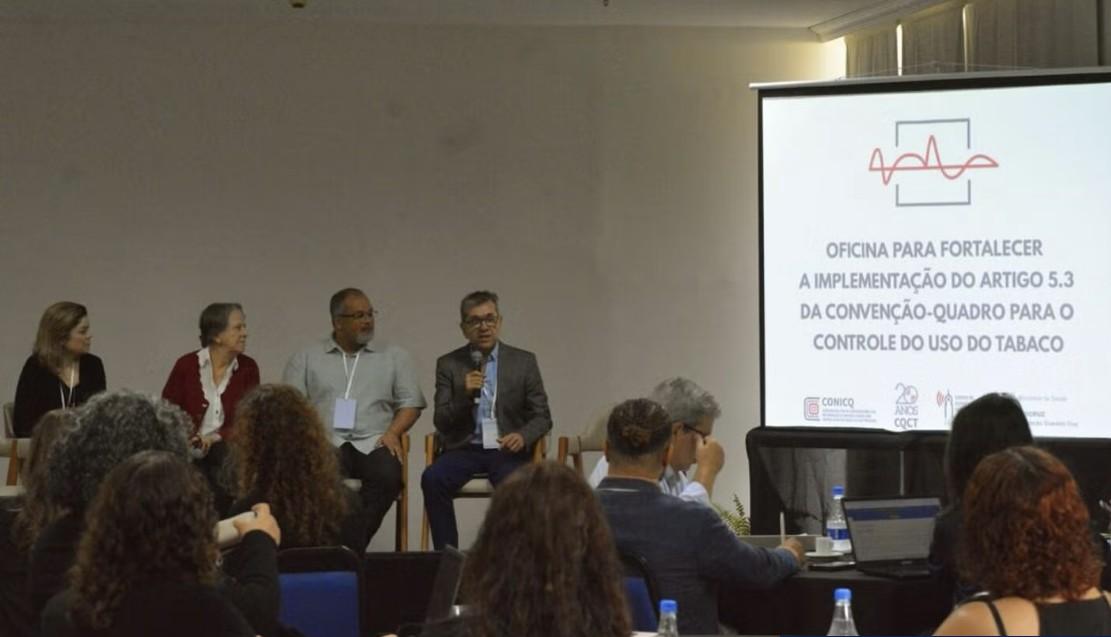
Photo caption: Workshop on the implementation of WHO FCTC Article 5.3
Credit: PAHO/ Sarah Buogo