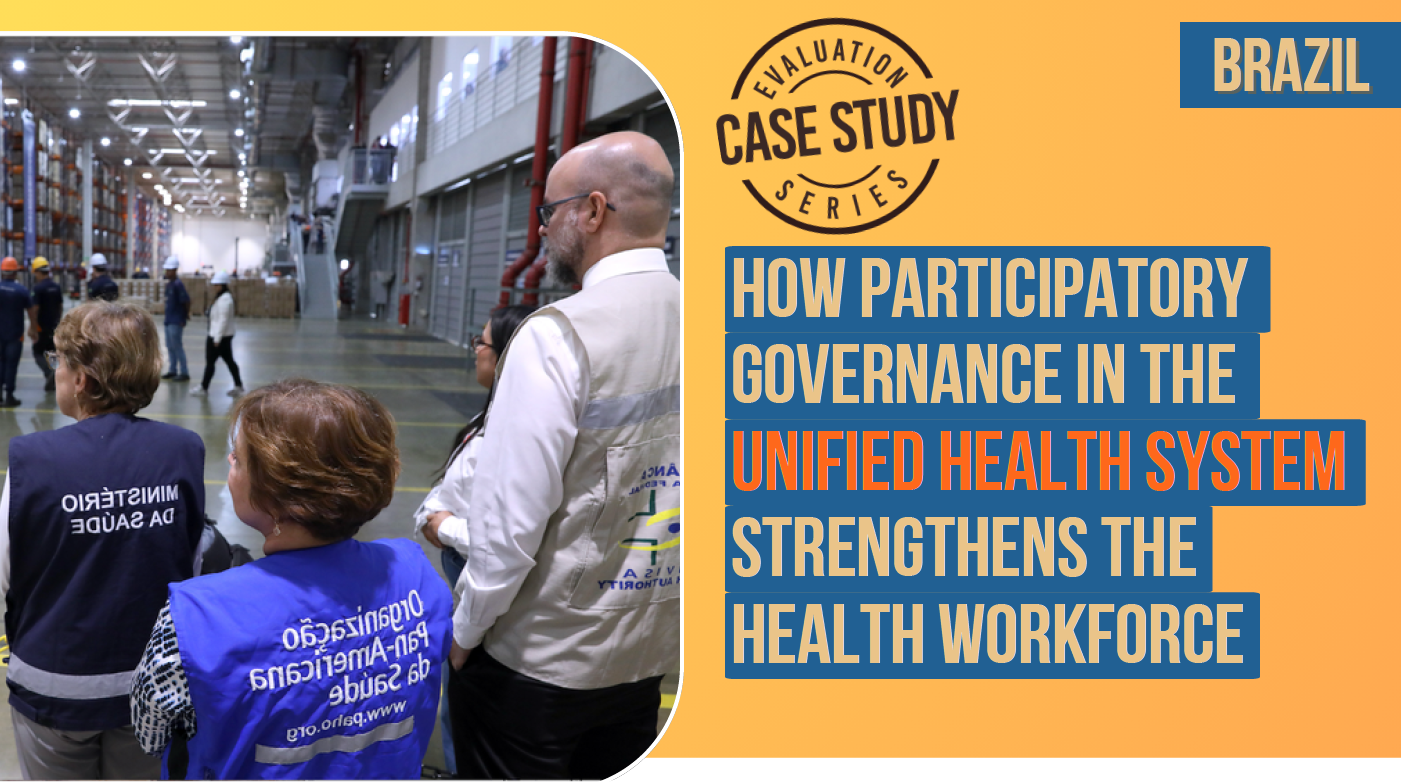
Brazil: how participatory governance in the Unified Health System strengthens the health workforce
Brazil's experience demonstrates how strong governance can become a strategic asset for health workforce development. Through the Unified Health System (SUS), the country has built mechanisms that bring together different levels of government, health institutions, and social actors to shape workforce policies in a context marked by profound territorial and social inequalities. By examining this experience, the case study explores how participatory governance has helped sustain reforms over time and how PAHO's technical cooperation has contributed to workforce planning, professional development, and the integration of equity considerations into health workforce policies.
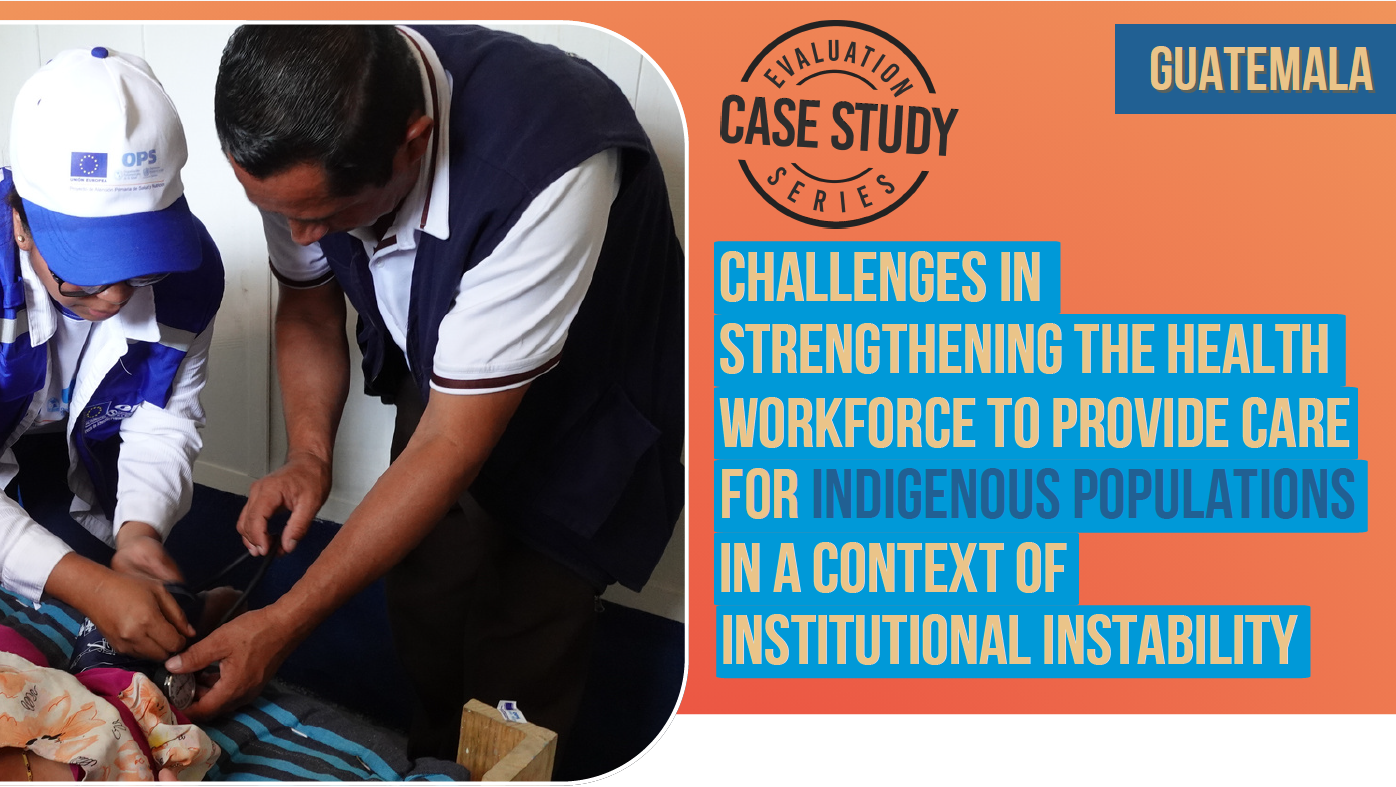
Guatemala: challenges in strengthening the health workforce to provide care for indigenous populations in a context of institutional instability
Efforts to strengthen the health workforce are closely linked to the challenge of ensuring access to quality health services for Indigenous populations, particularly in rural and underserved areas. The case study explores how geographic, cultural, linguistic, and institutional barriers continue to shape workforce needs, while highlighting how PAHO's technical cooperation has supported national efforts to strengthen planning, expand training opportunities, and promote more culturally responsive approaches to service delivery. The experience offers valuable lessons on addressing workforce challenges in diverse and complex settings.
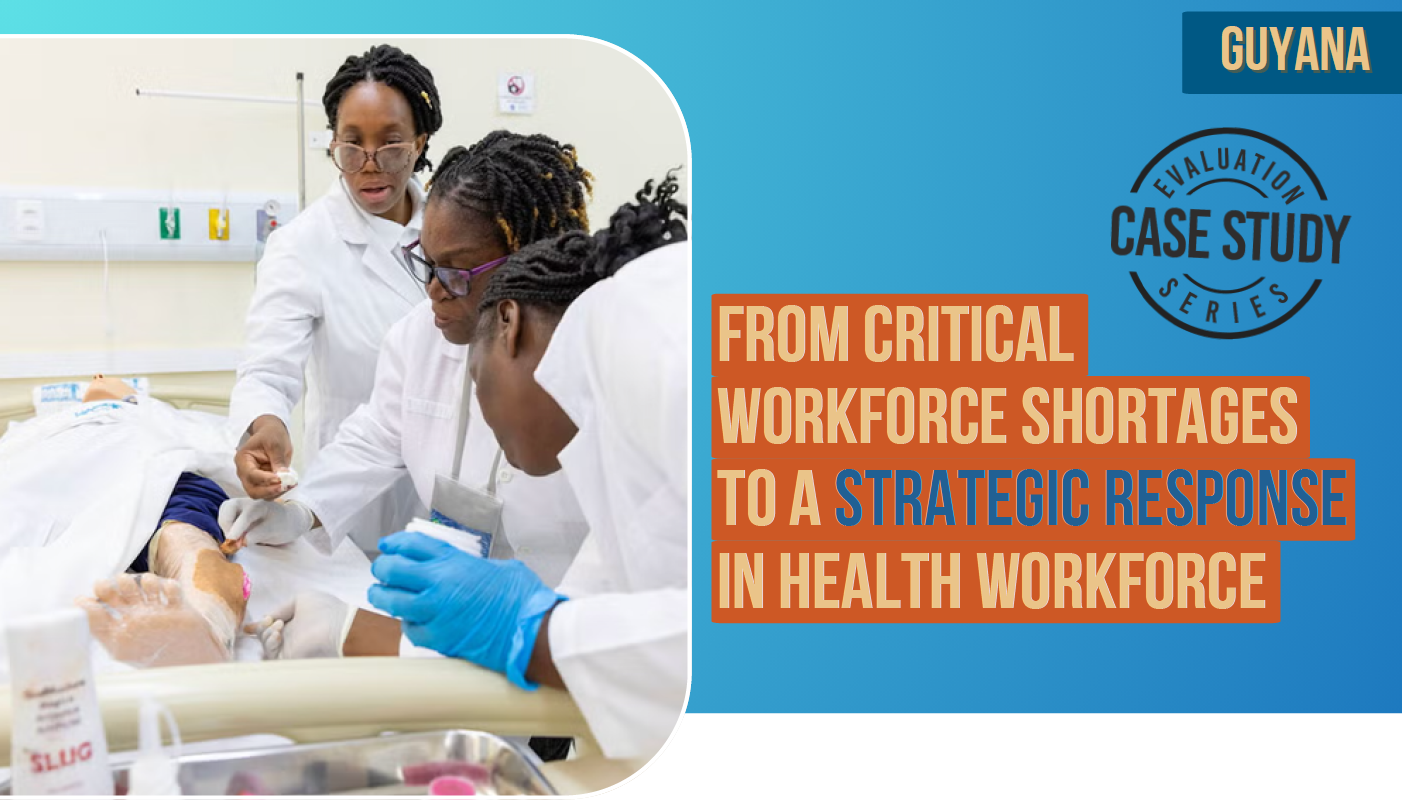
Guyana: from critical workforce shortages to a strategic response in the health workforce
As Guyana undergoes rapid economic transformation and expands its health infrastructure, the availability of qualified health professionals has emerged as one of the country's most pressing development challenges. This case study examines how national authorities, with support from PAHO, responded to growing workforce shortages through innovative approaches to education, training, and retention. By focusing on the expansion of nursing education and the adoption of hybrid learning models, the study illustrates how strategic investments in the health workforce can help countries align human resources with ambitious health system reforms and future growth.
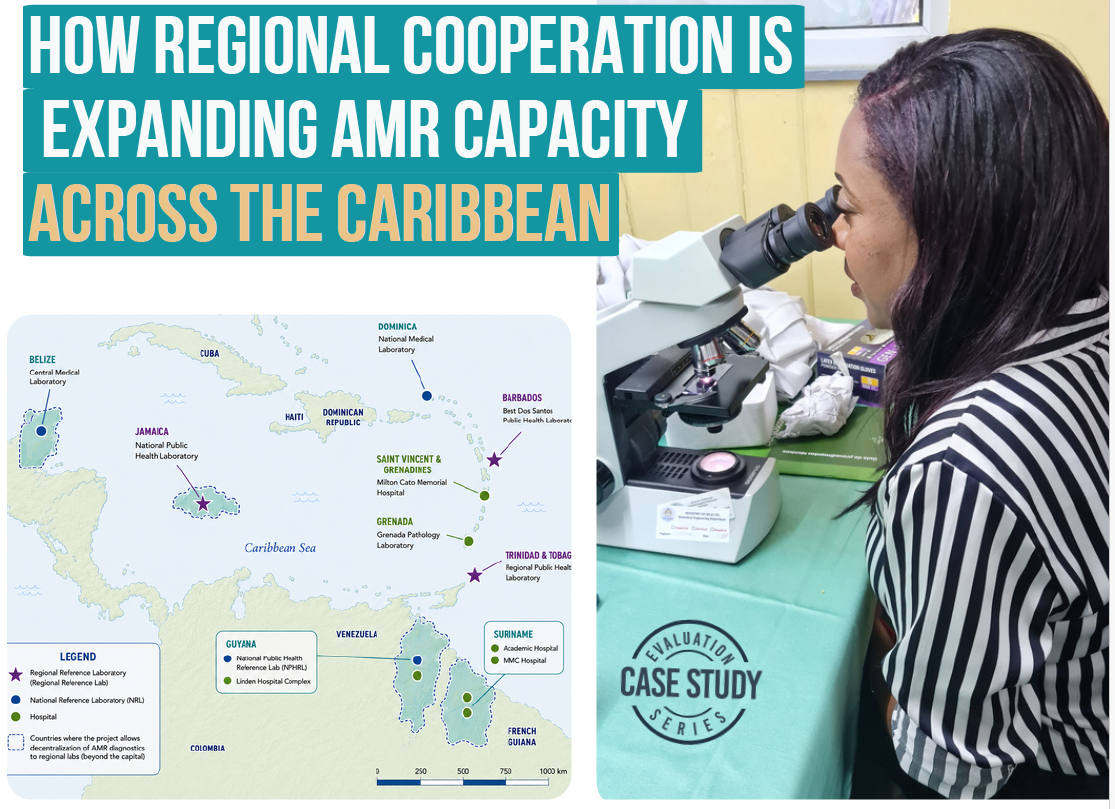
How Regional Cooperation is Expanding AMR Capacity across the Caribbean
Across the Caribbean, strengthening antimicrobial resistance (AMR) surveillance is increasingly becoming a shared regional endeavor. As countries face common challenges related to workforce shortages, specialized expertise, laboratory sustainability, and data systems, regional cooperation has emerged as a practical and effective pathway to build capacity beyond what individual institutions can achieve alone. Through examples from across the region, this case study highlights how reference laboratories, technical networks, communities of practice, and strategic partnerships are helping create regional public goods that strengthen surveillance, promote knowledge exchange, and support more sustainable health systems. It offers valuable lessons on how collaboration advances resilient, interconnected AMR responses in small island and resource-constrained settings.
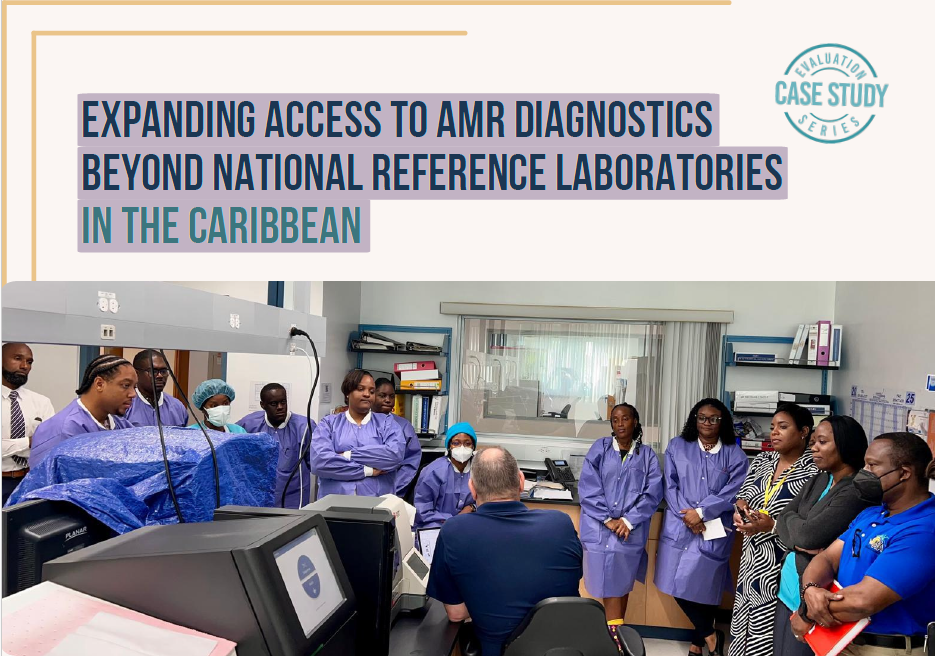
Expanding Access to AMR Diagnostics Beyond National Reference Laboratories in the Caribbean
Timely access to quality diagnostics is a cornerstone of effective antimicrobial resistance (AMR) surveillance, yet geography continues to shape access to laboratory services across many Caribbean countries. This publication explores how investments in laboratory strengthening are extending diagnostic capacity beyond national reference laboratories and bringing essential services closer to the communities and health professionals who rely on them. Drawing on experiences from several countries, it illustrates how decentralization, workforce development, upgraded technologies, and stronger laboratory networks can improve equity, accelerate clinical decision-making, and expand surveillance coverage. At the same time, it highlights the systems, partnerships, and long-term investments needed to ensure that expanded diagnostic access translates into sustainable public health outcomes.
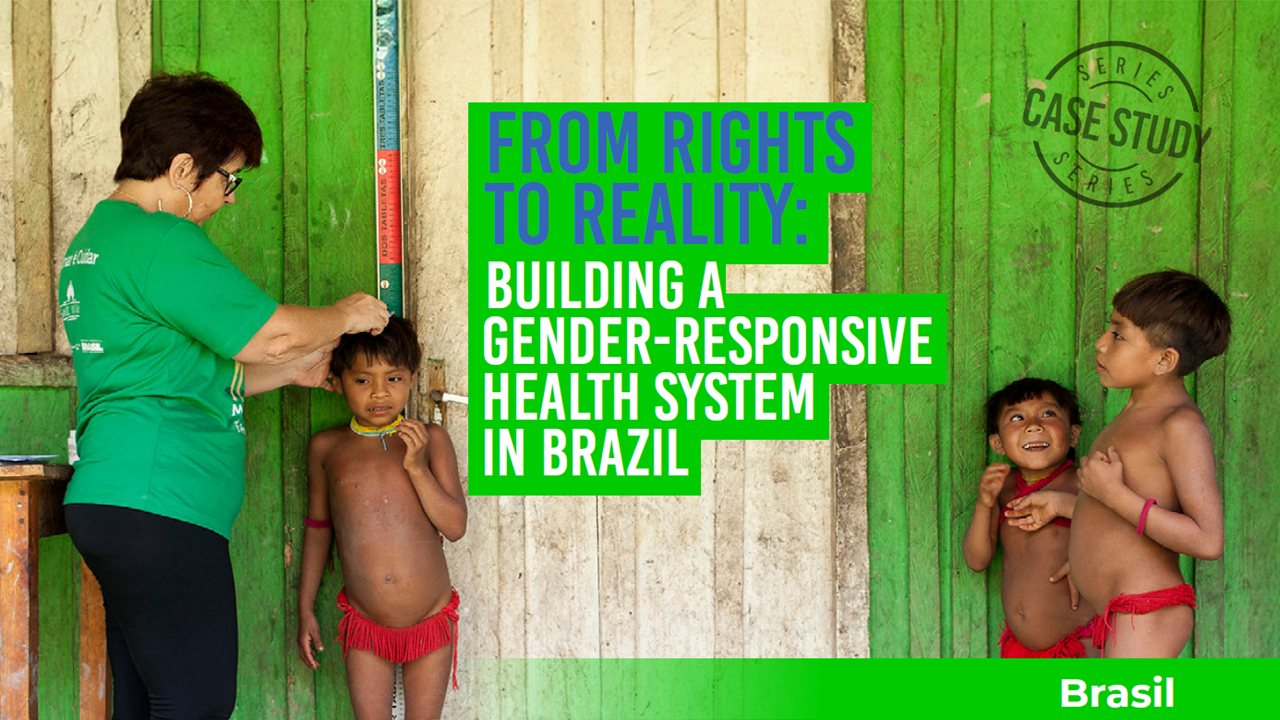
From Rights to Reality: Building a Gender-Responsive Health System in Brazil
Brazil’s experience proves that gender equality in health is achievable with clear policies, strong data, and targeted investment. Through the Sistema Único de Saúde and initiatives such as the National Policy for Integral Attention to Women’s Health Care (PNAISM), the country expanded primary care and integrated gender-sensitive indicators. It mobilized billions of dollars to strengthen equity. Yet, gaps persist—especially for Afro-Brazilian, Indigenous, and LGBTIQ+ populations. This case study highlights concrete strategies and measurable outcomes, offering lessons for building health systems that deliver on the promise of rights for all.
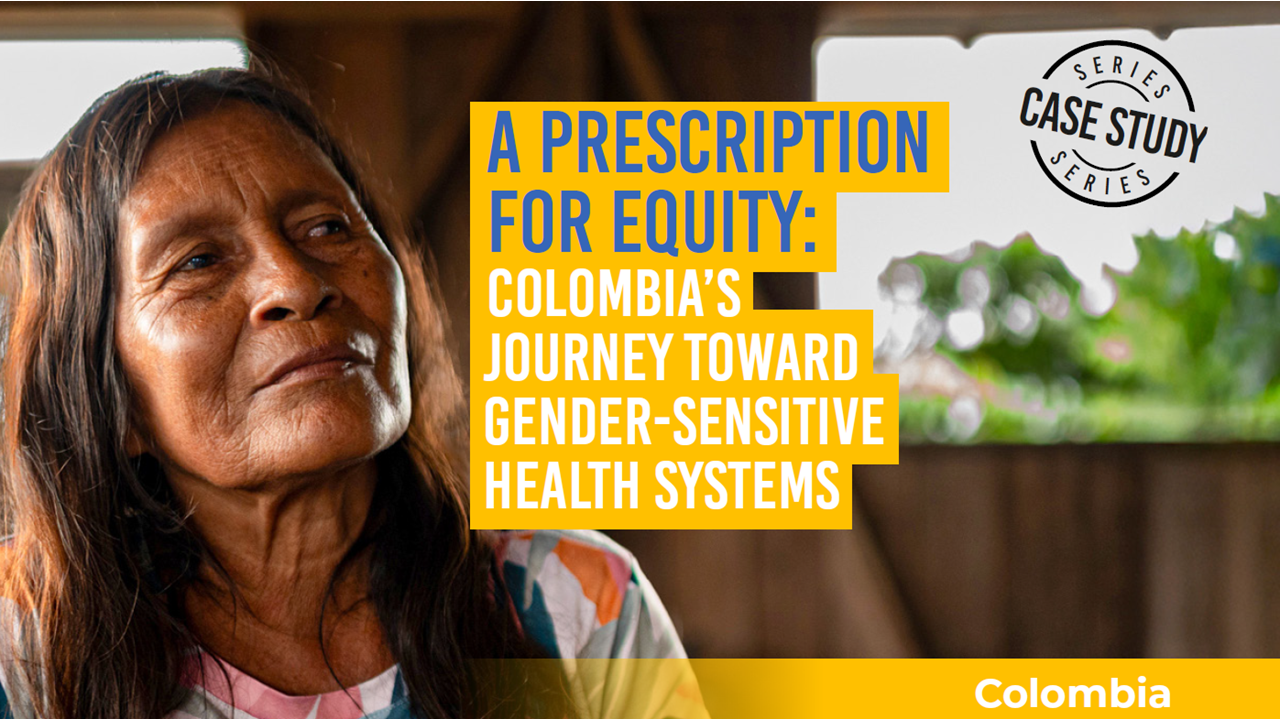
A Prescription for Equity: Colombia’s Journey Toward Gender-Sensitive Health Systems
Colombia demonstrates that health equity is not an ideal, but a measurable achievement. With pioneering policies, historic investment, and intercultural models, the country reduced maternal mortality by 11%, expanded professional care coverage for births to 97.9%, and tripled the budget for gender equality. This case study reveals how the combination of data, financing, and community participation can transform health systems and close gaps for women, indigenous, Afro-descendants, and LGBTIQ+ populations. It is a path that inspires the conversion of commitments into results.
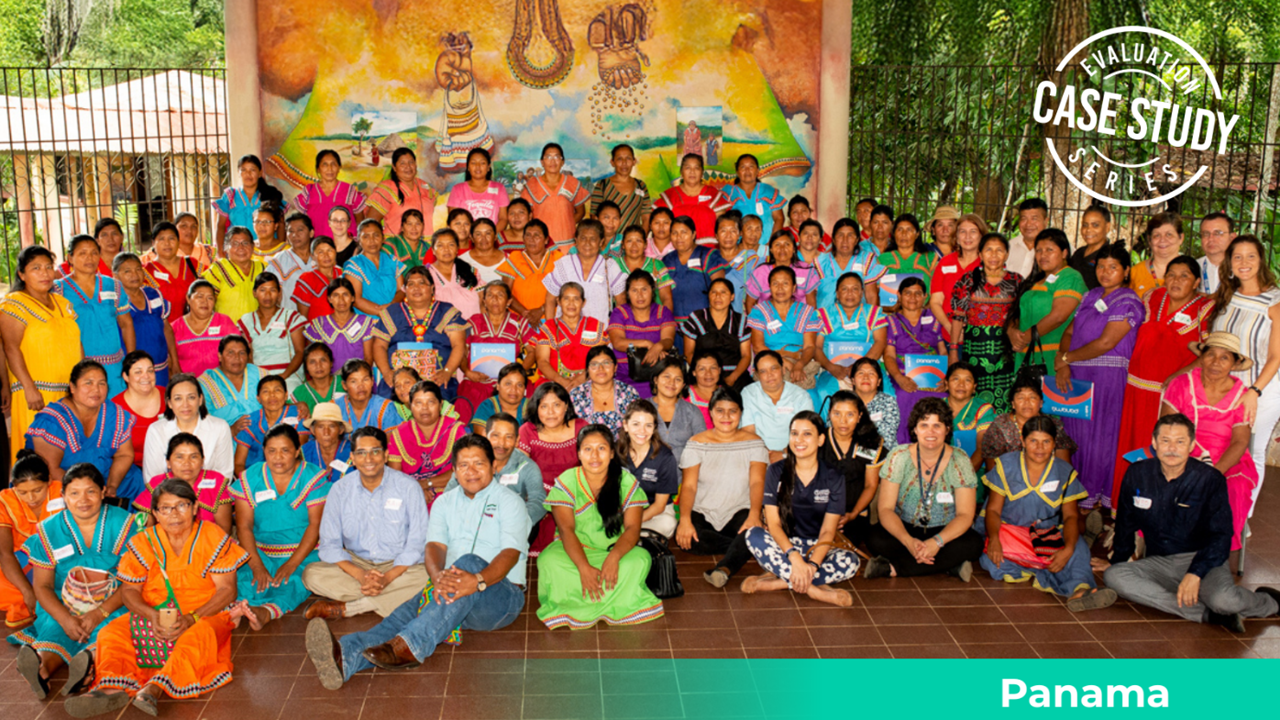
Inclusive Health for All: Gender, Culture, and Policy in Panama
Health equity can be achieved through action and data. With innovative policies, sustained investment, and intercultural models, Panama has created 101 adolescent-friendly centers, reduced maternal and perinatal mortality, and increased investment in gender and health programs by 45%. This case study shows how integrating gender, culture, and rights into planning transforms lives and systems, offering key lessons for closing gaps in indigenous, Afro-descendant, and migrant populations. It is an example of how to turn commitments into tangible results.
Advancing Gender Equity in Health: Progress and Lessons from Trinidad and Tobago
Trinidad and Tobago is proof that integrating gender equity into health care yields tangible results: maternal mortality fell by 67% in seven years, protocols for gender-based violence were created, and inclusive services for adolescents and LGBTIQ+ people were expanded. With more than 100 clinical guidelines, innovative campaigns, and gender-disaggregated data, the country is moving toward a more equitable and resilient system. This case study reveals how policies, investment, and strategic partnerships can transform care and close historical gaps.