| Indicator assessment Outcomes | Indicator assessment Outputs | Approved Budget 24-25 US$ M | % Funds Available vs PB | % Implementation funds available |
|
|---|---|---|---|---|---|
| 5. Access to services for NCDs and mental health conditions | 23.0 | 111% | 91% | ||
| 6. Response capacity for violence and injuries | 3.0 | 77% | 100% | ||
| 13. Risk factors for noncommunicable diseases | 28.0 | 41% | 99% | ||
| 14. Malnutrition | 6.8 | 82% | 99% | ||
| 15. Intersectoral response to violence and injuries | 3.0 | 96% | 98% | ||
| 16. Intersectoral action on mental health | 6.0 | 81% | 99% |
Noncommunicable disease burden addressed through integrated primary health care approaches
Noncommunicable diseases (NCDs) remained the leading causes of death in the Americas during the biennium, prompting scaled implementation of integrated primary care models. Through the Better Care for NCDs initiative and HEARTS in the Americas, PAHO supported countries in expanding evidence-based services at scale. By 2025, 17 countries had reported significant advances in integrating NCD care into primary health care (PHC), with 11 scaling HEARTS to more than 80% of PHC facilities and 16 adopting new clinical pathways for diabetes. Human papilloma virus (HPV) testing was expanded in 5 countries, and progress was made in tobacco cessation and healthy lifestyle counselling. Seven countries – representing 71% of the regional population – have now established comprehensive tobacco cessation services, while 15 are missing just one element to achieve best-practice implementation.
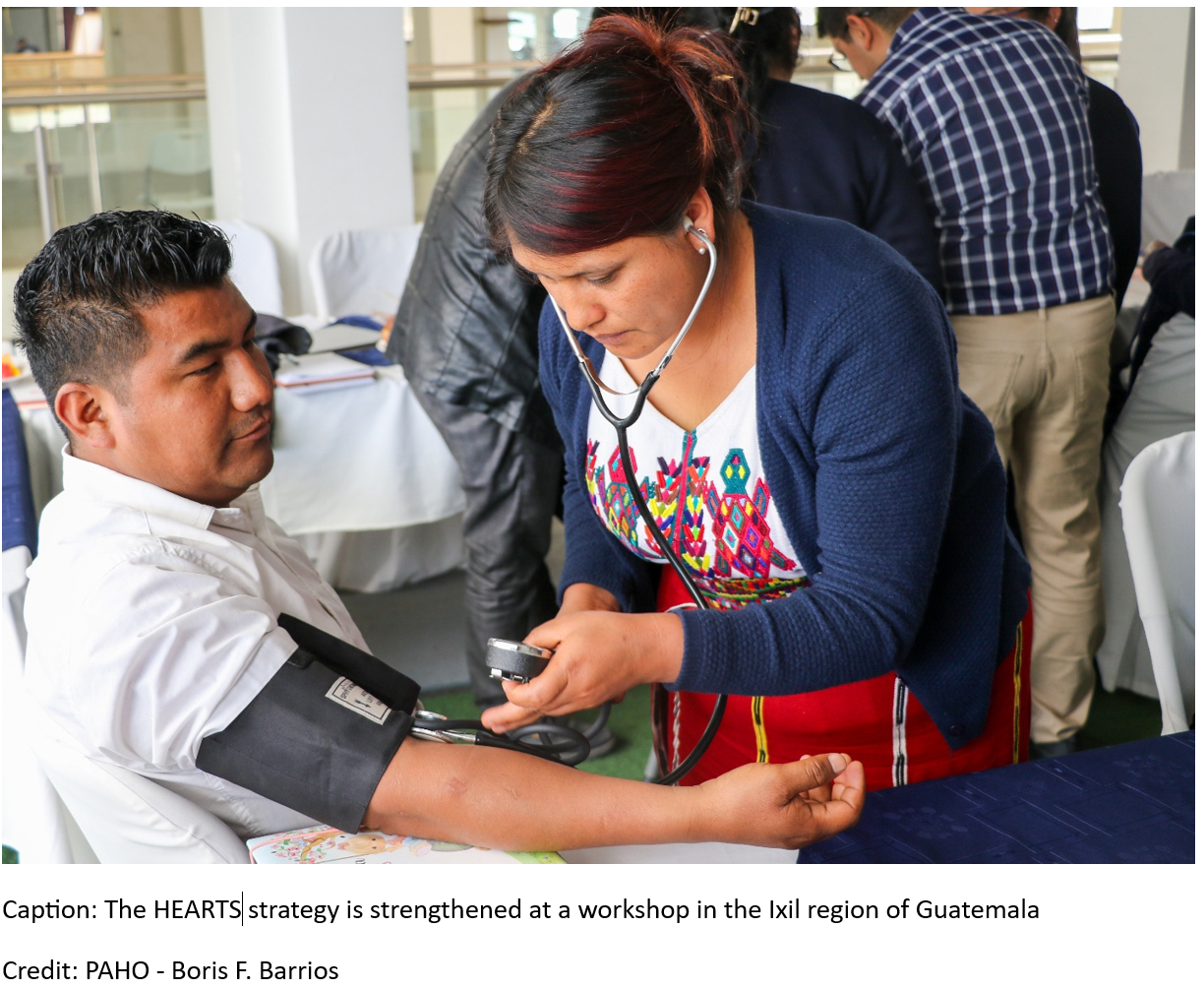 PAHO supported countries in expanding access to essential NCD medicines and technologies through pooled procurement, including automated blood pressure devices, HbA1c tests, HPV tests, and diabetes technologies. Expanded large-scale training strengthened clinical capacity, with 500 000 providers completing coursework during 2025.
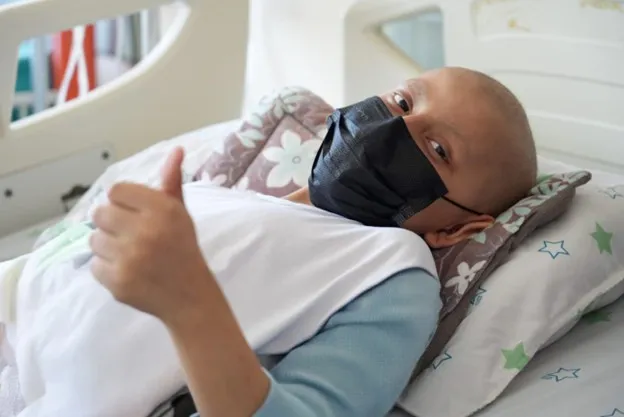
Through the Global Initiative for Childhood Cancer and the Global Platform for Access to Childhood Cancer Medicines, more than 700 children and adolescents in Ecuador received life-saving medicines with delivery times of under 48 hours. At the same time, 14 countries strengthened their national childhood cancer plans, 17 regional clinical guidelines were developed, and more than 123 000 health professionals in 32 countries were trained – contributing to earlier diagnosis and improved continuity of care, including measurable gains in Panama and Peru.
Surveillance capacity for NCDs and risk factors improved through population surveys conducted among adolescents in nine countries and adults in two countries, as well as through updated regional scorecards to strengthen monitoring and accountability.
Together, these results reflect a shift from fragmented approaches toward integrated PHC-based NCD care.
Mental health services strengthened and suicide prevention capacity expanded
The 2024–2025 biennium marked a significant strengthening of mental health system capacity across the Americas, anchored by the launch of a regional initiative on suicide prevention. Recognizing suicide as both a public health and systems challenge, PAHO supported countries in strengthening governance, modernizing legal and policy frameworks, expanding community‑based services, and integrating mental health into primary health care (PHC) as the foundation of prevention, care, and continuity.
Across the Region, countries advanced the modernization of mental health laws and service models. In Ecuador, regulations were developed to implement the national mental health law, while Guatemala embarked on a landmark reform to transition from institutional to community-based mental health care. Reforms supported by PAHO reoriented services away from institutional models, and expanded coverage through community‑based and PHC‑linked services. Large‑scale capacity‑building initiatives strengthened the ability of health teams to detect, manage, and make referrals for mental health conditions, including depression, anxiety, and psychosocial distress, in particular among adolescents, young people, and populations affected by violence, displacement, and emergencies.
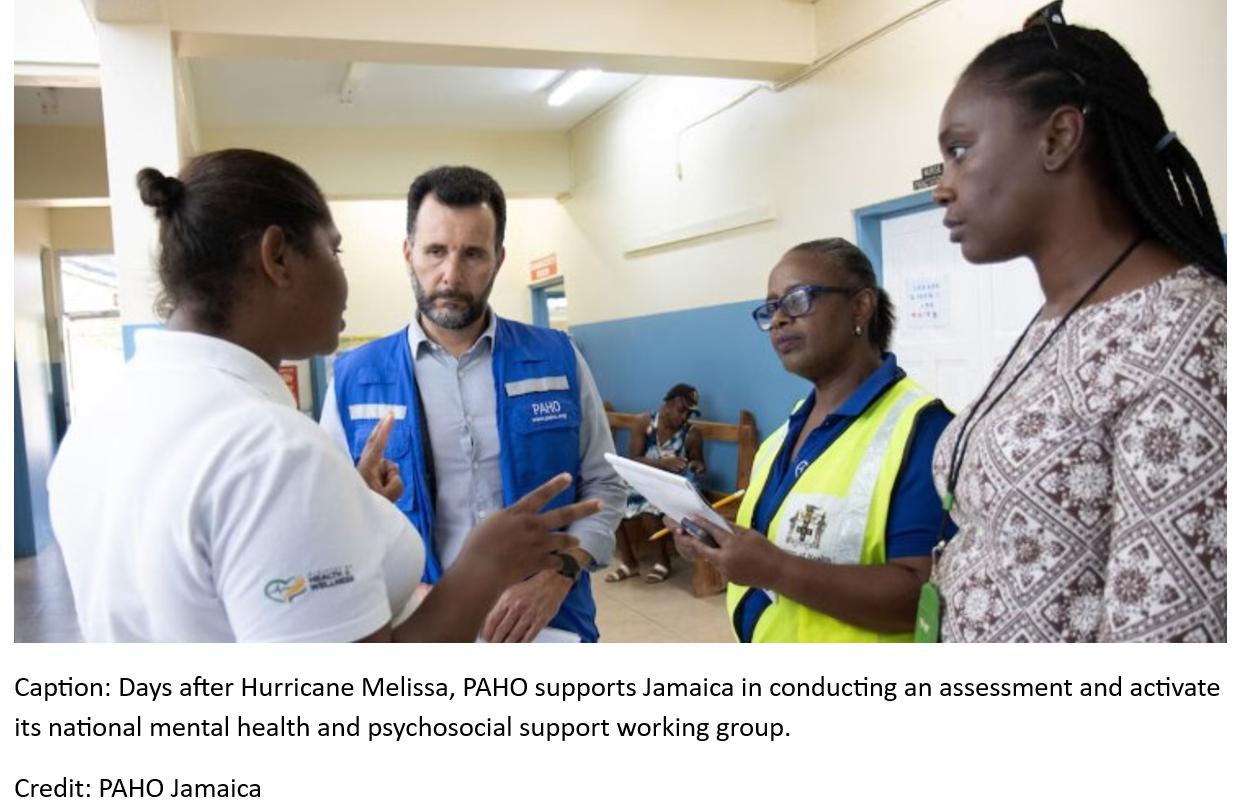 Collaboration with the Organization of American States (OAS) represented a major strategic advance during the biennium, culminating in the adoption of a new mental health resolution at the OAS General Assembly in 2025. This milestone reflects the elevated political prioritization of mental health and provides a high-level framework for strengthening sustained intersectoral action.
Outcome‑level progress was particularly notable in Guyana, where sustained mental health system reforms – including rights‑based legislation, decentralization of services, workforce development, and intersectoral prevention measures in line with the new Regional Suicide Prevention Initiative – were implemented. Community gatekeeper programs, school‑based interventions, strengthened surveillance, and improved service organization improved early detection and response.
While suicide prevention requires sustained, long‑term effort, work during the biennium established a coherent regional platform for action, aligning governance, services, and monitoring to support measurable reductions in suicide mortality over time.
PASB’s leadership and technical cooperation reinforced integrated PHC for NCDs, mental health conditions, and disabilities, contributing to achievements such as the following:
Integrated NCD service delivery expanded at scale through the Better Care for NCDs initiative and HEARTS in the Americas, with 34 countries and territories committed to HEARTS (one more than in the 2022-2023), 17 of which reported significant advances, with eleven of these scaling HEARTS to more than 80% of primary care centers, sixteen introducing new diabetes clinical pathways, and five expanding HPV testing, reflecting a regional shift toward standardized, evidence‑based, and people-centered care.
Access to essential NCD medicines and technologies improved as multiple countries procured medicines and technologies for hypertension, diabetes and cervical cancer through the Regional Revolving Funds, strengthening affordability, supply reliability, and system efficiency.
Improvements in childhood cancer care were achieved in some countries in the region, including rapid access to life‑saving medicines for more than 700 children and adolescents in Ecuador and measurable gains in early diagnosis in Panama and Peru.
Population surveys for adolescents in nine countries and for adults in two countries were implemented, generating prevalence data to monitor progress on NCDs and risk factors.
Aruba, the Bahamas, and Uruguay completed rehabilitation service assessments and strategic plans, making important progress toward regional goals for strengthened rehabilitation. Furthermore, an assistive technology assessment was conducted in the Bahamas, generating the first consolidated evidence base for health technologies needed for persons with disabilities and chronic conditions. Regional partnerships with the Latin American Network of Non-governmental Organizations of persons with Disabilities and Their families and Special Olympics International reinforced PASB's collaboration with countries to strengthen services for people living with disabilities.
Antigua and Barbuda, Barbados, Ecuador, Grenada, Guatemala, Saint Kitts and Nevis, and Saint Vincent and the Grenadines advanced mental health reform and modernization of laws, while Costa Rica, Cuba, Guatemala, Haiti, Honduras, Mexico, Nicaragua, and Panama accelerated integration of mental health services in PHC. In Paraguay, scale‑up of the global Mental health Gap Action Programme (mhGAP) resulted in expanded service coverage to over 345,000 additional people.
Elevated political commitment to mental health resulted in the adoption of a new regional resolution at the Organization of American States and the launch of the Regional Suicide Prevention Initiative, providing a common framework for sustained intersectoral action. This regional momentum was reflected in Guyana’s launch of its national suicide and attempted suicide surveillance system in 2025, strengthening capacity for evidence-based suicide prevention and mental health action.
The challenges reflected constraints that limited the pace, scale, and long‑term impact on NCDs and mental health:
Uneven institutional capacity hindered the sustainability of integrated service delivery, particularly in settings where workforce shortages, financing constraints, and continued reliance on vertical delivery models limited scale‑up.
Persistent information gaps in NCD and mental health surveillance limited the ability to measure treatment coverage, control, and outcomes and weakened evidence‑based policy dialogue. These gaps can be overcome through strategies such as PAHO’s all-in-one telehealth platform, which supports countries in implementing electronic health records.
Uptake of proven prevention and service delivery strategies was insufficient, notably in cervical cancer and suicide prevention, which slowed progress despite the availability of effective interventions.
Gains proved fragile in emergency and humanitarian settings, where unmet NCD and mental health needs continued to contribute to avoidable morbidity and mortality.
PASB’s technical cooperation strengthened policy action on NCD risk factors and malnutrition, resulting in achievements such as the following:
Mexico increased taxes on tobacco and sugary sweetened beverages, and Trinidad and Tobago on tobacco and alcohol. In Ecuador, a court struck down a 2023 decree that had lowered taxes on tobacco and nicotine products. Multisectoral collaboration between the ministries of finance and health was crucial to these advancements in health taxes.
Mexico, Peru and Uruguay adopted and enforced legislation advancing implementation of the WHO Framework Convention on Tobacco Control. In addition, Belize, Cuba, and Dominican Republic strengthened their capacities to deliver tobacco cessation services through policy dialogue and awareness raising on the importance of creating smoke-free environments, as well as training of PHC workers under the PAHO Smoke-Free Latin America initiative.
The Region continues to lead and inspire global efforts to improve diets and protect public health with regulatory policies. The Bahamas adopted the Caribbean’s first comprehensive healthy eating law. Chile and Mexico presented significant reductions in sugars, sodium, saturated fats, and energy in the food supply and Chile achieved a sustained reduction in sales of unhealthy food products. The elimination of industrially produced trans fatty acids accelerated, with 85% of the population of the Americas now living in countries that have adopted best‑practice policies.
Sixteen countries integrated health and nutrition objectives into sustainable food system roadmaps as part of efforts to strengthen national responses to malnutrition in all its forms.
The regional rate of exclusive breastfeeding for infants 0-5 months old increased from 32.7% in 2016 to 37% in 2025, thanks to breastfeeding protection and promotion, including through the Baby-friendly Hospital Initiative. Trinidad and Tobago expanded the Baby Friendly Hospital Initiative, promoting breastfeeding and early life nutrition and contributing to the prevention of childhood obesity and other nutrition related risk factors
Challenges affecting scale and long-term impact included the following:
Despite the availability of cost-effective best buys to address risk factors, political and commercial considerations affected the pace at which policies were adopted and implemented.
Uneven enforcement and monitoring capacity limited the effectiveness of nutrition and tobacco control policies after adoption.
Persistent disparities in access to healthy diets constrained progress on malnutrition.
Data gaps for diet quality and nutrition outcomes reduced the ability to assess population-level impact consistently across countries.
PASB worked with countries and territories to strengthen multisectoral responses to violence and injuries, contributing to achievements in emergency care capacity, governance, and accountability such as the following:
Multiple countries advanced in the implementation of road safety plans and related measures: Brazil strengthened collaboration between the health sector and the police to improve crash prevention on federal highways, while the Dominican Republic launched a road safety plan to reduce the high burden of road traffic deaths, and Jamaica strengthened enforcement through expanded access to breathalyzers, with support from PASB on enforcement protocols, training, and strengthened data systems used to monitor alcohol-related crashes and injuries.
Thirty countries engaged in high-level dialogue at the Ministerial Conference on Violence against Children, elevating the visibility of this issue and securing commitments from Member States to strengthen their response. This effort was supported by PAHO and the United Nations Children's Fund (UNICEF), which launched a joint report with data, strategies, and country case studies.
The evidence base on violence against women was enhanced, with new regional estimates generated for 29 countries and territories, strengthening monitoring of national, regional, and global goals.
Eighteen countries improved their post-crash, emergency care, and post-rape care services capacity, supported by standardized training.
Challenges continued to constrain the pace and consistency of progress, such as the following:
- Socio-political considerations challenge health service capacity to respond to violence, despite the contribution of PASB’s technical expertise to strengthen post-rape care through training, protocols, and information systems.
- Multisectoral engagement on road safety and violence prevention differed across contexts.