* Since the last assessment in 2024, updated information became available that required a change in the baseline and target.
EOB 2024-2025
IMPACT INDICATOR

Incidence rate of tuberculosis
Baseline
2015
29.68 cases per 100 000 population*
Target
2025
14.9 cases per 100 000 population*
Status
2024
33.45 cases per 100 000 population
Rating
Wrong track
% annual change required to achieve target
-7.04%
% annual change recorded as of last year available
1.33%
The tuberculosis (TB) incidence rate measures the estimated number of new and relapse TB cases (all forms, including cases in people living with HIV) arising in a given year per 100 000 population. TB incidence reflects the impact of the implementation of the End TB strategy and is one of high-level indicators of PAHO’s Disease Elimination Initiative and of the global strategy.
The regional rate declined substantially between 2000 and the baseline year of 2015, from 55.9 to 29.7 cases per 100 000 population. Since 2020, however, the rate has been increasing, with an average annual increase of 3.7%, although the pace slowed after 2022 to 2.5%. In 2024, it reached 33.5 cases per 100 000 population, and the projected rate for 2025 is 32.7, well above the 2025 target of 14.9. Therefore, this indicator is considered to be on the wrong track.
The overall increase in new infections is particularly marked in the Non-Latin Caribbean, Central America, Andean, and South American subregions. However, TB mortality in the Region began to decline in 2023 and remained stable in 2024, marking an end to the upward trend observed since 2015.
The Region continues to address the impact of more than two years of disruption to TB programs caused by the COVID-19 pandemic. Countries are making significant efforts to increase case detection and reduce TB incidence and mortality. PAHO is working with Member States to accelerate the adoption and scale-up of proven technologies and strategies to combat the spread of TB, while also promoting the sustainability of the TB response through implementation of the Multisectoral Accountability Framework for TB.
Recommendations
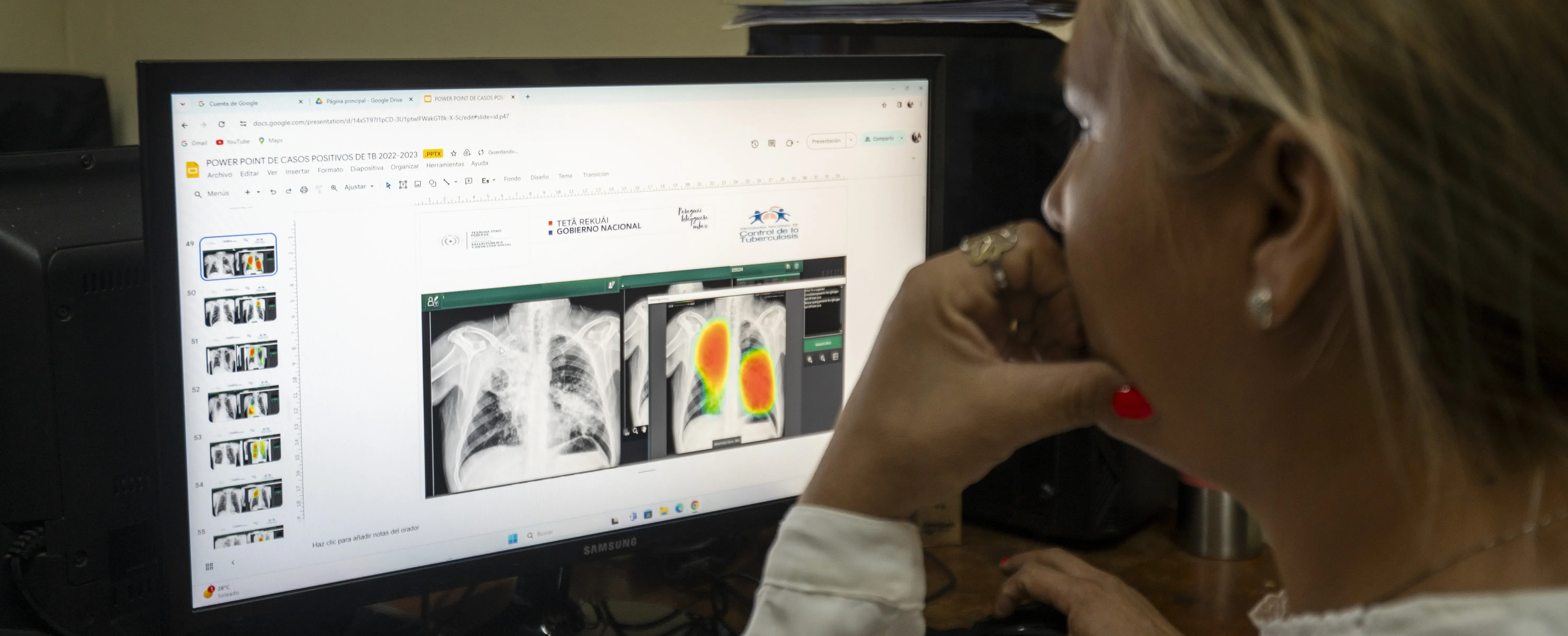
Implement evidence-based interventions for TB detection and treatment in line with regional and global guidance, including active case finding; digital chest x-ray supported by artificial intelligence in the most affected areas and among populations in situations of vulnerability; strong primary health care services for active detection of presumptive cases; rapid molecular and drug susceptibility testing; improved precision and robustness of contact tracing; expanded use of internationally recommended shorter oral regimens for treatment and preventive treatment; and strengthened monitoring of program implementation.
Carry out preventive treatment in groups at disproportionately high risk of TB infection, including people in prison settings, contacts of TB cases, and people living with HIV, in order to interrupt transmission chains and prevent new infections.
Implement secure and interoperable digital information systems to support surveillance and monitoring of TB through the use of unique personal identifiers.
Promote collaboration and synergies among programs involved in TB detection and treatment, with particular emphasis on primary health care programs and prison settings.
Engage actors outside the health sector, including civil society, in addressing social determinants that negatively impact the health of people affected by TB.