
The goal of eliminating neglected infectious diseases (NIDs) has been established in regional and global mandates, including PAHO’s Disease Elimination Initiative.
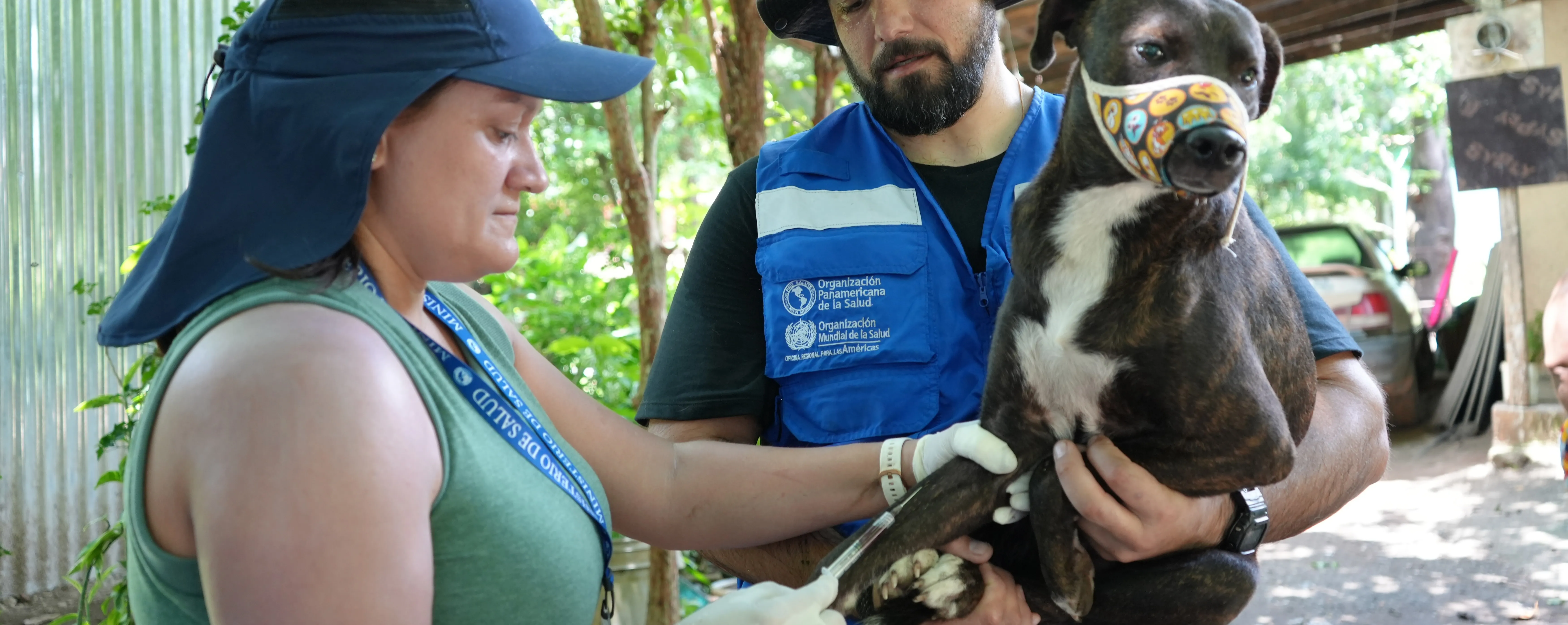
During the 2024–2025 biennium, progress toward the elimination of NIDs in the Americas remained uneven across diseases and countries. While advances were observed in relation to dog‑mediated human rabies, and lymphatic filariasis, regional targets for 2025 were not met for trachoma, Chagas disease, leprosy, human taeniasis/cysticercosis, onchocerciasis, or schistosomiasis. Therefore, overall, progress on this indicator is considered to be stagnating.
Nevertheless, while elimination targets have not yet been fully achieved, countries have made important progress in the implementation of impact surveys, whose results are expected in the next planning period and will provide critical evidence to assess progress toward elimination goals. The renewed implementation of PAHO’s Disease Elimination Initiative has strengthened integrated approaches to PAHO’s technical cooperation, supporting countries in advancing elimination and validation processes. Progress has been affected by the limited availability of global assessment and validation procedures for some diseases, and in some cases by existing global procedures that are not fully adapted to the epidemiological context of the Region of the Americas. Although important advances are being made in the development and adaptation of technical guidance and validation frameworks to support countries in these processes, progress continues to be constrained by persistent gaps in surveillance, diagnostic capacity, and data quality, as well as operational challenges in remote, border, and underserved populations.
The long‑term impact of the COVID‑19 pandemic continues to affect performance. Disruptions to community‑based interventions, surveillance, and active case detection in 2020–2021 delayed progress, and many countries entered the 2024–2025 biennium in a phase of recovery rather than acceleration. Although activities have largely resumed, the reallocation of financial and human resources and lingering system weaknesses continue to limit the pace of elimination.
Intensify targeted technical cooperation for countries and diseases at greatest risk of not achieving elimination targets.
Strengthen surveillance systems, diagnostic capacity, and data quality to support elimination validation and post‑elimination monitoring.
Promote integrated and intersectoral approaches, particularly for complex diseases such as human taeniasis/cysticercosis and schistosomiasis.
Reinforce political commitment and accountability to ensure sustained national ownership of, and completion of, elimination and validation processes.